Finding the Right Goalkeeper Gloves for Better Match Control
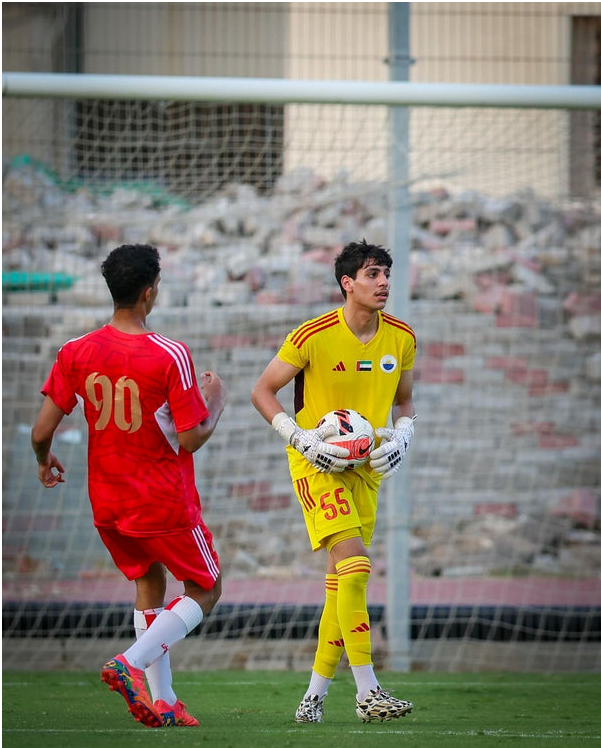
A goalkeeper needs confidence in every save, whether the ball arrives slowly from a distance or comes quickly from a powerful shot. The right gloves can make a noticeable difference by providing grip, comfort, protection, and control during training and matches.
Choosing goalkeeper gloves is not simply about appearance. Players should consider the fit, palm material, cut, playing conditions, and level of protection before making a decision. A well fitted pair allows the goalkeeper to move naturally while maintaining a secure connection with the ball.
Why Glove Selection Matters
Goalkeepers use their hands constantly during a match. They catch crosses, block shots, collect low balls, and push difficult attempts away from the goal.
A suitable pair of gloves can support these movements by providing:
• Reliable grip
• Comfortable fit
• Finger mobility
• Suitable protection
• Confidence during handling
Different players may prefer different features depending on their age, playing position, experience, and training routine.
Understanding the Gloves of Goalkeeper Players
The gloves of goalkeeper players are designed specifically for the demands of football goalkeeping. Unlike ordinary sports gloves, goalkeeper gloves are constructed with features intended to support ball handling and protection.
The palm is particularly important because it comes into direct contact with the ball. The material and thickness can influence grip and the overall feel when catching or punching the ball.
The backhand can also provide protection when making contact with the ground or ball.
What Is a Negative Cut?
A negative cut is a glove construction where the stitching is positioned inside the glove. This creates a close fit around the hand and fingers.
Many goalkeepers like this style because it provides a snug feel and can allow good control of the fingers.
However, fit is personal. A glove that feels comfortable for one goalkeeper may feel too tight for another. Players should consider their hand shape and preferred level of finger movement.
Benefits of Negative Cut Goalkeeper Gloves
Negative cut goalkeeper gloves are popular among players who prefer a close fitting design.
Some potential benefits include:
Close Hand Fit
The snug construction can help the glove feel closely connected to the hand.
Good Ball Awareness
A closer fit may provide a more direct feeling when handling the ball.
Natural Finger Movement
The design can allow the fingers to move comfortably when the correct size is selected.
Secure Feel
Players who dislike excess space inside their gloves may appreciate the closer construction.
Choosing the Correct Size
Size is one of the most important factors when buying goalkeeper gloves.
A glove should feel secure without creating uncomfortable pressure. Excess space can affect control, while an overly tight glove may restrict movement and cause discomfort.
Players should check the manufacturer’s sizing guidance and measure their hands where required.
Young goalkeepers may also need to reassess glove size as their hands grow.
Considering the Playing Surface
Goalkeepers play on different surfaces and in different weather conditions. These factors can influence glove selection.
A player who regularly trains on artificial surfaces may have different requirements from someone who mainly plays on natural grass.
Similarly, wet conditions can affect the feel and performance of the palm. Players should consider the conditions in which they normally train and compete.
Grip and Palm Performance
Grip is an essential consideration for every goalkeeper. A good palm should provide confidence when catching and controlling the ball.
Players should also understand that glove performance depends on maintenance and playing conditions. Dirt, moisture, and rough surfaces can affect the palm over time.
Cleaning the gloves according to the manufacturer’s recommendations can help maintain their condition.
Comfort During Long Sessions
A goalkeeper may wear gloves for extended training sessions and matches, so comfort should not be overlooked.
A suitable glove should allow the goalkeeper to focus on the game rather than constantly adjusting the fit.
Breathability, flexibility, internal construction, and sizing can all contribute to overall comfort.
Protection and Finger Support
Some goalkeepers prefer gloves with additional finger protection, particularly during training or when recovering from an injury.
Other players may prioritize flexibility and a lighter feel.
The right choice depends on the individual’s playing style and personal requirements. Players should understand the features of a glove before selecting it.
Maintaining Goalkeeper Gloves
Proper care can help extend the useful life of a pair of gloves.
After training or a match, players can:
• Remove dirt carefully
• Follow the recommended washing instructions
• Allow the gloves to dry naturally
• Avoid excessive heat
• Store them in a suitable place
Regular care can help preserve the palm and other materials.
When Should Gloves Be Replaced?
Even quality goalkeeper gloves eventually show signs of wear. A heavily worn palm may no longer provide the same level of grip, while damaged stitching or material can affect comfort.
Players should inspect their gloves regularly and consider replacing them when performance or structural condition has significantly declined.
Finding a Suitable Pair at TechGrip
TechGrip offers goalkeeper equipment designed for players with different requirements. When choosing a pair, players can compare glove cuts, sizing, grip characteristics, protection, and intended use.
Understanding these features makes it easier to select gloves that suit a particular playing style.
Making the Choice With Confidence
There is no single glove that is perfect for every goalkeeper. A beginner may value comfort and affordability, while an experienced player may focus more closely on grip, fit, and specific glove construction.
Trying to understand personal preferences is often the best starting point.
For players who prefer a close fitting design, negative cut goalkeeper gloves can be an option worth considering. Those who prioritize a different feel may prefer another glove cut.
Conclusion
The right goalkeeper glove can contribute to better comfort, handling, confidence, and control on the pitch. Players should consider fit, palm construction, grip, protection, playing conditions, and maintenance before choosing a pair.
The gloves of goalkeeper players should feel secure without restricting natural hand movement. For those who prefer a close fitting construction, negative cut goalkeeper gloves offer a snug design that many players find comfortable and responsive.
By understanding these features and choosing equipment that matches individual needs, goalkeepers can step onto the pitch prepared to handle every challenge with greater confidence.