Fire Watch Guards for Hot Work and Welding Areas
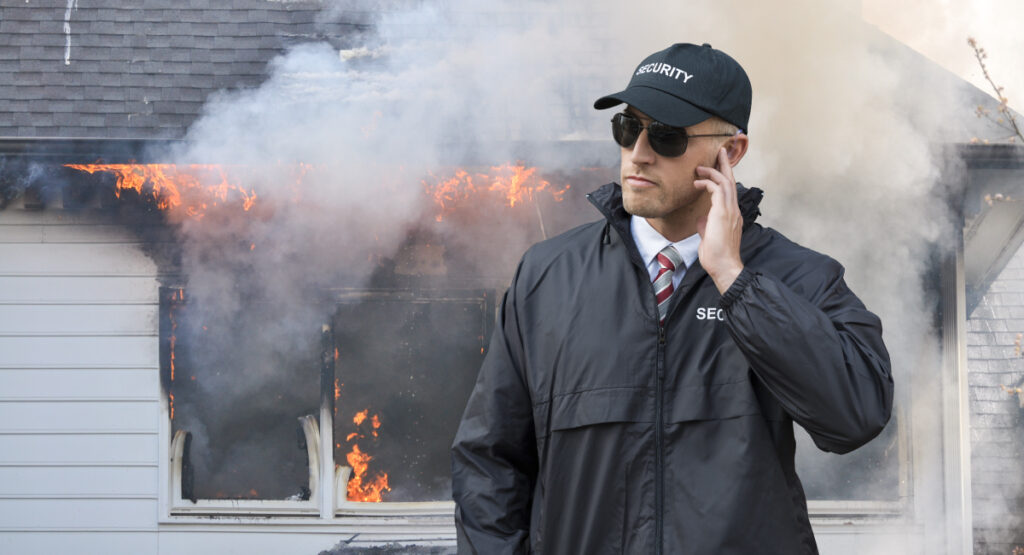
Hot work can create significant fire risks because welding, cutting, grinding, and similar activities generate heat and sparks. Fire watch guards can provide dedicated monitoring during these operations when required by safety procedures or applicable regulations.
Understanding Hot Work
Hot work includes activities capable of producing flames, sparks, or sufficient heat to ignite combustible materials.
Even when precautions are taken, nearby materials can potentially catch fire.
Role of Fire Watch
A fire watch guard monitors the area for signs of ignition.
The guard may remain near the work location, observe surrounding conditions, and communicate hazards.
Preparing the Area
Before hot work begins, combustible materials should be removed or protected according to the applicable safety plan.
Fire watch personnel should understand the site’s procedures.
During the Work
Personnel should remain attentive while welding, cutting, or grinding occurs.
They should watch for sparks traveling into nearby areas or heat affecting combustible surfaces.
After Hot Work
Some requirements call for continued monitoring after work ends because heat or hidden embers can remain.
The duration should follow applicable procedures.
Documentation
Fire watch activities should be documented when required.
Records can include the work location, monitoring periods, observations, and incidents.
Choosing Qualified Personnel
When hiring fire watch guards, confirm that they have appropriate training and understand hot-work responsibilities.
Conclusion
Hot work requires careful planning and monitoring. Fire watch guards can provide an important layer of observation during and, when required, after hot-work operations.
Employers and contractors should follow applicable fire safety requirements and ensure that personnel understand their responsibilities. Professional monitoring can help identify potential hazards before they develop into serious incidents.